


The Smart Driver’s Guide to Choosing the Right Car Insurance Coverage
If you're asking, “How much car insurance do I need?”, you're not alone. Many drivers struggle to determine the right amount of coverage because insurance requirements, policy options, and personal circumstances can vary widely. While state minimum coverage may satisfy legal requirements, it often falls short of providing adequate financial protection in a major accident. The ideal amount of car insurance depends on several factors, including your vehicle, driving record, income, assets, and overall financial goals. By understanding the different types of coverage and evaluating your individual needs, you can select a policy that offers the right level of protection without paying for unnecessary coverage.
Why Understanding How Much Car Insurance Do I Need Matters
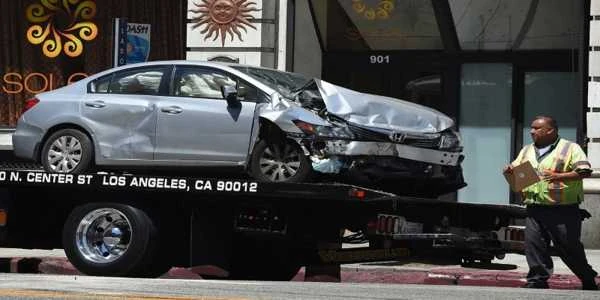
Understanding how much car insurance coverage you need is essential for both legal compliance and financial security. Each state mandates minimum legal requirements for car insurance that may seem adequate on the surface. However, these bare minimums frequently fail to provide sufficient protection against the potentially overwhelming costs associated with accidents and liabilities. If you find yourself with inadequate coverage, you could be left vulnerable to substantial out-of-pocket expenses in the event of a serious incident. A lack of coverage can quickly escalate risks; for example, if you are involved in an accident that leads to severe injuries to others or significant vehicle damage, costs may far exceed your policy limits, resulting in a heavy financial burden that falls directly on you.
Moreover, several factors—including your driving habits, the vehicle you drive, and your overall financial situation—should influence your insurance choices. Individual circumstances significantly impact the determination of appropriate coverage levels. Therefore, evaluating your insurance needs carefully ensures that you not only comply with legal mandates but also protect your finances effectively, granting you peace of mind on the road.
Understanding Car Insurance Coverage Types
Proficiently understanding the various types of car insurance coverage is crucial when selecting a policy tailored to your individual needs. Below, we break down some essential categories of coverage, explaining their significance, requirements, and associated benefits.
Liability Coverage
Liability coverage is a fundamental element of car insurance that covers costs associated with injuries and damages you may cause to another party in an accident. This coverage comprises two essential components: bodily injury liability and property damage liability.
Bodily Injury Liability safeguards you against costs incurred due to injuries sustained by others in an accident for which you are at fault, covering medical expenses, lost wages, and even legal fees should a lawsuit arise. Conversely, Property Damage Liability encompasses the damage to someone else's possessions, such as their vehicle, building, or fence. Most states require drivers to carry a minimum amount of liability coverage to ensure basic expenses can be covered if you are held responsible for an accident. Understanding your state’s requirements and considering higher limits is vital to avoid costly out-of-pocket expenses in severe situations.
Collision Coverage
Collision coverage is designed to pay for damages to your vehicle resulting from a collision, irrespective of fault. This coverage can be particularly beneficial in accidents involving other vehicles or collisions with objects like guardrails or trees.
If you own a newer or higher-value vehicle, opting for collision coverage may yield valuable financial protection, as repair costs can escalate quickly. Additionally, should you choose to finance or lease your car, lenders often mandate collision coverage to safeguard their investment. While it may raise your premium, the peace of mind of knowing your vehicle repair costs are covered in the event of an accident makes it worthwhile.
Comprehensive Coverage
Comprehensive coverage, often termed “other than collision” insurance, protects you against financial loss due to non-collision-related incidents. This coverage encompasses events such as theft, vandalism, fire, weather-related damage (including hail or flooding), and collisions with animals.
For instance, if a tree falls on your parked car during a storm, comprehensive coverage would cover the costs of repair. This type of insurance is particularly worthwhile for those residing in areas prone to severe weather or high crime rates, as it can help protect your vehicle from unforeseen threats. Assessing your vehicle’s value alongside your risk tolerance will help you determine if comprehensive coverage is a necessary part of your policy.
Uninsured and Underinsured Motorist Coverage
Uninsured and underinsured motorist coverage provides protection in instances where the at-fault driver either lacks insurance or does not have adequate coverage for your damages. This protection proves invaluable when you find yourself in an accident with a driver who cannot offer compensation for your incurred losses.
This coverage assists in addressing your medical expenses, lost wages, and vehicle repairs, ensuring you are covered even when the other driver has insufficient financial responsibility. While many states require a minimum level of uninsured motorist coverage, it is prudent to consider higher limits for comprehensive protection. Given the prevalence of uninsured drivers, this coverage provides vital financial security during unfortunate incidents.
Additional Coverage Options
In addition to primary coverage types, several supplementary options can enhance your protection. For example, Medical Payments Coverage (MedPay) addresses medical expenses for you and your passengers, regardless of fault. Personal Injury Protection (PIP) extends beyond medical bills to cover lost wages and essential services. Roadside Assistance grants peace of mind during breakdowns by providing services like towing and jump-starts. Lastly, Rental Reimbursement Coverage covers the cost of a rental car while your vehicle is being repaired due to a covered claim, ensuring you remain mobile despite the inconvenience of repairs.
Choosing the right combination of coverage types can significantly affect your experience and financial security while driving. Take your time to evaluate your insurance needs and consider consulting with an insurance agent to acquire insights tailored specifically to your unique situation.
Factors That Determine Car Insurance Requirements
When selecting the right amount of car insurance coverage, it is vital to understand the several critical factors that impact your specific needs. Recognizing these factors will enable you to tailor your policy effectively.

State Minimum Insurance Requirements
Each U.S. state has minimum insurance requirements that must be met. This typically includes liability coverage that pays for injuries and damages you cause to others involved in an accident. However, in high-accident areas, minimum requirements may not provide adequate protection. Familiarizing yourself with your state's laws will help you assess whether additional coverage is critical for safeguarding your financial future.
Vehicle Value
The value of your car significantly influences your insurance needs. If you own a newer or luxury vehicle, obtaining comprehensive and collision coverage is advisable to protect against the costs of damage or theft. However, for older vehicles, consider the cost of insurance relative to the vehicle's actual worth to determine if such coverage is necessary.
Personal Assets and Financial Situation
Your personal assets and financial standing similarly impact your coverage requirements. If you possess significant assets, it’s crucial to avoid underinsurance as liability claims could potentially deplete your savings. Conversely, if you are starting with fewer assets, you might find it suitable to stick with the minimum required coverage.
Driving Habits and Annual Mileage
Driving behavior plays a critical role in your insurance needs. Higher annual mileage typically indicates an escalating risk of accidents, warranting more robust coverage. Additionally, a long daily commute or frequent drives in heavy traffic may further necessitate additional collision and comprehensive coverage.
Leasing or Financing Considerations
Leasing or financing your vehicle usually requires full coverage to protect the lender’s financial interest. Be mindful that certain insurance levels may be mandatory as part of your loan or lease agreement.
When evaluating your car insurance needs, keep in mind factors like state requirements, vehicle value, personal finances, driving habits, and obligations associated with leasing or financing. For households, these considerations become even more complex, where multiple vehicles, shared assets, and varying driving patterns come into play, ensuring everyone in the family is adequately protected.
Recommended Car Insurance Coverage Levels
Selecting appropriate car insurance coverage can feel overwhelming; however, understanding recommended coverage levels is vital for sufficient protection.
State Minimum Coverage
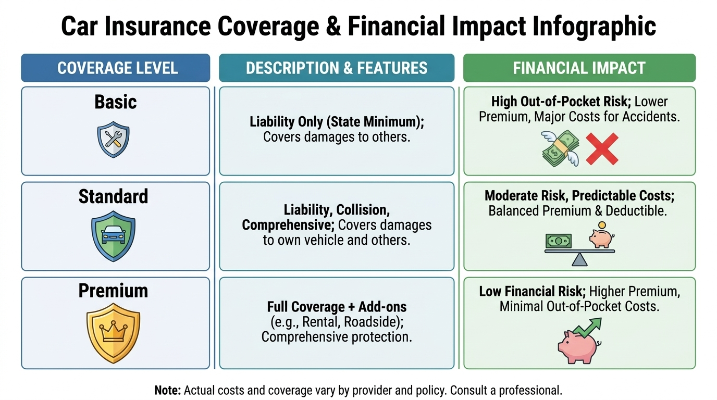
Most states mandate drivers to maintain a minimum level of insurance coverage, generally consisting of liability protection for damages or injuries to others in an accident. The primary advantage of this option is affordability, allowing budget-conscious drivers to comply with legal requirements. However, state minimum coverage's significant limitations often fall short of personal loss protection. Those who drive frequently, own substantial assets, or have high earning potentials may find this coverage insufficient, exposing them to severe financial risks in an accident.
Moderate Coverage Protection
Increasing your liability limits to moderate coverage levels can yield considerable benefits. This type of protection not only meets state mandates but also protects drivers from potential lawsuits and out-of-pocket expenses beyond minimum limits. Moderate coverage is especially suitable for commuters, families, and those with considerable assets, as it offers enhanced financial protection. Securing a policy with increased liability limits enhances security, making it a prudent choice for those worried about the financial ramifications of unexpected incidents.
Higher Coverage Limits
For higher-income households, opting for higher coverage limits can be immensely valuable. This level of coverage provides comprehensive protection for assets such as homes, savings, and future earnings, crucial for those with significant financial commitments. Insurance professionals often recommend higher limits to mitigate the risk of substantial financial loss due to accidents, especially for wealthier individuals who may face heightened liability risks. Higher coverage guarantees you won't be left vulnerable should an accident result in large-scale claims.
Ultimately, selecting appropriate car insurance coverage revolves around understanding the balance between cost and protection. Each level caters to varying needs, addressing specific financial situations and risk profiles.
Determining Your Ideal Coverage
Choosing the right car insurance policy can certainly be daunting, as different demographics and situations present unique needs. Below is a guide tailored for various drivers to help determine the most suitable coverage level for them.
New Drivers
Due to a higher risk profile stemming from their lack of experience, new drivers should consider comprehensive coverage options carefully. Recommended coverage includes liability to protect others, alongside collision and comprehensive options for safeguarding their own vehicle against damage and theft. Adding roadside assistance can provide additional peace of mind.
Families With Multiple Vehicles
Families with multiple cars should investigate multi-car discounts offered by various insurers. A combination of liability, collision, and comprehensive coverage is advisable to ensure adequate protection across all family vehicles. Additionally, considering a comprehensive family insurance policy can facilitate payment management while establishing cohesion across different cars.
Homeowners
Homeowners often benefit from bundling home and auto insurance, yielding significant discounts. Careful assessment of overall liability needs is essential, particularly if substantial assets are involved. Increased liability coverage levels are typically recommended to secure both home and vehicle, often utilizing an umbrella policy for broader coverage.
Drivers With Older Vehicles
For owners of older cars, minimal liability coverage may be an appropriate route given the low value of their vehicles. Collision and comprehensive coverage might be unnecessary, yet maintaining legal liability insurance remains critical. Thoughtfully evaluating whether to retain full coverage or adhere to state minimum requirements is key to effectively managing costs.
Drivers With New or Expensive Vehicles
For those driving new or high-value cars, a full coverage policy that encompasses collision and comprehensive options is crucial for protecting the investment. Such vehicles typically call for higher liability limits to cater to potential accidents exceeding standard coverage amounts. Consulting with an insurance expert can yield tailored advice reflecting the vehicle's worth and the driver’s circumstances.
Avoiding Common Car Insurance Mistakes
Selecting car insurance comes with potential pitfalls that can lead to serious financial and legal repercussions. Below are some of the most common mistakes made by individuals that can compromise their coverage decisions.
One prevalent misstep is opting for state minimum coverage. While this may seem economically sound, it often leaves drivers inadequately protected. These minimums typically cover only the essentials, often resulting in catastrophic out-of-pocket costs in an accident. By choosing higher limits, you secure more protection against unexpected expenses.
Another grave oversight involves ignoring liability risks. Many drivers underestimate the possible financial consequences of causing an accident. Inadequate liability coverage can lead to significant lawsuits and financial hardship; making sure you have sufficient limits is essential to safeguarding your assets and future finances.
By thoroughly understanding and reviewing your car insurance options, you can avoid these common errors, ensuring you have the right levels of coverage and are well-protected on the road.